

How long after storm damage does a homeowner have to file a roof insurance claim?
Georgia insurance policies typically allow up to one year to file a roof damage claim, but the practical window for action is significantly shorter. Most policies require prompt reporting of significant losses, and the longer the gap between the storm and the documented claim, the harder it becomes to establish that damage resulted from the specific covered event.
Insurance adjusters look at the condition of the roof at the time of inspection and compare it to documented evidence of when the damage occurred. A claim filed within days of a storm, supported by professional inspection documentation, carries different weight than the same claim filed months later when subsequent weather events may have produced additional damage. Carriers increasingly attribute delayed-discovery damage to wear and tear rather than the covered storm, which can reduce or deny the claim entirely.
The other timing factor is the rate at which secondary damage develops. Roof damage not promptly addressed creates entry points for subsequent rainfall, which produces interior water damage within weeks. By the time the secondary damage becomes visible, the insurance carrier may treat it as a separate, potentially uncovered loss rather than part of the original storm claim.
For Greater Atlanta homeowners, the practical guidance is to arrange a professional inspection within 72 hours of any significant storm and file the claim promptly if the inspection identifies damage.
What kind of damage do homeowner insurance policies actually cover on roofs?
Standard homeowner insurance policies in Georgia cover sudden and accidental damage to roofing from specific covered perils, including hail, wind, and falling objects. The covered events produce damage that occurred suddenly rather than developing gradually over time, and the damage must affect the function of the roof rather than just its appearance.
The typical coverage includes:
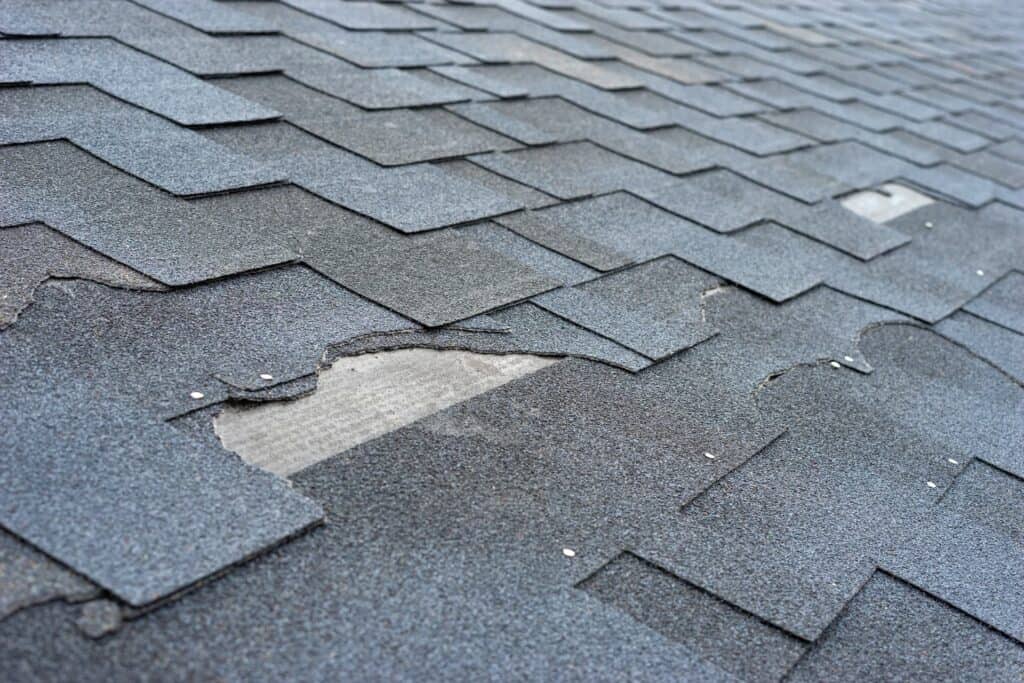
- Hail damage that affects the function of shingles, including fractured shingles, granule loss exposing the asphalt mat, and damage to flashing, vents, and other roof penetrations
- Wind damage including lifted, torn, or missing shingles caused by storm-force winds
- Damage from falling objects such as tree limbs that struck the roof during a storm
- Damage from weight of ice and snow in the limited cases where Greater Atlanta experiences significant ice accumulation
- Damage from sudden plumbing failures that originated above the roof line
The typical exclusions include:
- Wear and tear as the roof ages through normal exposure
- Maintenance-related damage that resulted from deferred repairs
- Cosmetic damage that does not affect roof function, in some policies
- Pre-existing damage that was present before the policy was issued
- Gradual leaks that developed over extended time periods
The line between covered storm damage and excluded wear and tear is the most common source of claim disputes. Documentation from a qualified roofing contractor that establishes the damage was caused by a specific storm event is the strongest support for a covered claim.
Should a homeowner get a roofing contractor’s inspection before or after the insurance adjuster?
A homeowner should arrange a professional roofing inspection before the insurance adjuster visits the property. The sequencing significantly affects the claim outcome and gives the homeowner the information needed to navigate the adjuster meeting from an informed position.
The reasons to inspect first include several practical benefits. A qualified roofing contractor familiar with hail and storm damage produces a comprehensive picture of the loss before the adjuster’s assessment. The contractor’s documentation aligns with the standards adjusters use to evaluate claims, providing photographs, measurements, and a written report that the adjuster will recognize as professional evidence. The contractor’s presence during the adjuster’s inspection ensures that all qualifying damage is identified and properly documented, since adjusters cover a high volume of claims and may miss damage that a roofing specialist would catch.
The homeowner also gains informed expectations about what the claim should cover, which makes it possible to evaluate the settlement offer rather than accepting it without comparison. If the initial settlement does not cover the full scope of legitimate damage, the contractor can support supplement work that adds the missing scope to the claim.
Homeowners who allow the adjuster to inspect first, without a prior professional inspection, frequently receive settlement offers that miss legitimate damage. The adjuster works for the insurance carrier, has limited time at each property, and may not have the specialized roofing expertise to identify every form of damage present.
What does a homeowner do if the insurance company denies the roof claim?
A claim denial is not the final word on a roof damage situation. Several specific actions can address a denial and potentially reverse it, depending on the reasons cited and the evidence supporting the claim.
The first step is to request the written denial in detail, including the specific provisions of the policy the carrier cites and the reasons the damage was classified as not covered. The written denial becomes the basis for any subsequent appeal.
The next steps depend on the nature of the denial:
- If the carrier classified damage as wear and tear, a qualified roofing contractor can document the storm-caused damage with photographs and measurements that distinguish it from gradual aging
- If the carrier disputed the scope of damage, the contractor can document additional damage that the initial inspection missed
- If the carrier disputed the cause of damage, weather records from the National Weather Service can establish that a covered storm event occurred on the date in question
- If the carrier denied the entire claim, the homeowner can request reinspection with the contractor present and supplemental documentation submitted in writing
For Greater Atlanta homeowners facing a denial they believe is incorrect, working with a roofing contractor experienced in insurance assistance for roofing claims provides the documentation support that often reverses initial denials. The contractor’s expertise in damage identification and documentation produces evidence that adjusters and reviewing examiners take seriously.
If the denial cannot be resolved through documentation and supplements, the homeowner has the option to engage a public adjuster who works on the homeowner’s behalf, or in serious cases to pursue legal options through an attorney specializing in insurance disputes.
How does a homeowner know if a roof insurance settlement offer is fair?
A roof insurance settlement offer is fair when it covers the full scope of legitimate damage at pricing that allows the work to be completed to industry standards using quality materials. The settlement that appears generous may still be inadequate if it omits scope items the work actually requires, and the settlement that appears modest may be appropriate if the damage was limited.
The factors that determine whether a settlement is genuinely fair include:
- Scope completeness, meaning every component of legitimate damage is included in the settlement, including damage to flashing, vents, gutters, and other roof components that adjusters sometimes overlook
- Material specifications appropriate to the existing roof, since the settlement should fund replacement with comparable quality materials, not the lowest-cost alternatives
- Labor pricing that reflects current Greater Atlanta market rates rather than outdated pricing tables that no longer match actual contractor costs
- Coverage type alignment, with Replacement Cost Value coverage providing the cost to replace the roof at current prices and Actual Cash Value coverage applying depreciation that significantly reduces the settlement on older roofs
- Deductible structure, including whether the policy applies a separate wind and hail deductible that differs from the general deductible
- Code upgrade coverage, which addresses any building code requirements that have changed since the original roof was installed
A qualified roofing contractor can review the settlement offer against the actual scope and cost of the work required and identify any gaps. Settlements that fall short of the actual cost of proper repair represent leverage points for supplement requests, which often produce additional coverage that the initial settlement missed.
Can a homeowner choose any roofing contractor to do the work, or does the insurance company choose?
The homeowner chooses the roofing contractor in nearly all cases, not the insurance carrier. This is one of the most consistently misunderstood aspects of the insurance claim process, and it matters because the choice of contractor significantly affects both the quality of the work and the homeowner’s experience throughout the project.
Insurance carriers sometimes provide preferred contractor lists, and policyholders may feel implicit or explicit pressure to use a contractor from the list. The carrier may emphasize convenience, simplified billing, or warranty coordination. None of these factors require the homeowner to choose from the preferred list.
The homeowner’s right to choose their own contractor is protected by Georgia law and by standard policy provisions. The reasons to exercise that choice include:
- Contractor qualifications, since the homeowner can select a contractor with the credentials, certifications, and local experience that produce quality work
- Communication and accountability with a contractor the homeowner has researched and verified, rather than one assigned by an insurance carrier
- Long-term warranty enforcement with a contractor whose operational continuity in the Greater Atlanta market supports realistic warranty service for years after the work
- Scope completeness, since a contractor selected by the homeowner is incentivized to identify the full scope of legitimate damage, while a preferred contractor may have arrangements that affect their scope identification practices
- Quality standards, since a GAF Master Elite contractor brings standards that not every preferred-list contractor offers
The carrier’s role in the process is to assess the claim, determine coverage, and provide the settlement. The homeowner’s role is to engage the contractor and complete the work. These two responsibilities are separate, and the homeowner’s choice of contractor is theirs to make.
How can a homeowner avoid the storm chaser contractors that appear after major weather events?
Storm chaser contractors are an active concern in the Greater Atlanta area after major weather events. These operations target areas with recent storm damage, offer prices that established local contractors cannot match, and frequently disappear before any warranty issues surface.
The patterns that identify storm chasers include:
- Door-to-door solicitation within days of a significant storm event
- High-pressure tactics emphasizing same-day decisions and limited-time pricing
- Out-of-state phone numbers or local numbers that lack permanent business addresses
- Bids significantly below comparable local estimates, often by 30 to 50 percent
- Vague promises about insurance claims, including implied guarantees about settlement amounts
- Reluctance to provide written documentation of license, insurance, or business credentials
- Mobile operations without permanent presence in Alpharetta, Suwanee, Roswell, or surrounding communities
The protection against storm chasers is straightforward verification before engaging any contractor. Verify Georgia state contractor license through the Secretary of State business records. Confirm permanent local business address in the Greater Atlanta area with multi-year operating history. Request and verify general liability insurance and workers’ compensation coverage directly from the carrier. Contact local references from past projects in the area. Confirm that the contractor pulls permits as standard practice rather than expecting the homeowner to handle the permit process.
Established local contractors with permanent business presence, verifiable credentials, and accountability that extends beyond the immediate project are the contractors who will be available when warranty service is needed. Storm chaser operations are not.
What is the typical timeline from filing a roof insurance claim to completed repairs?
The typical timeline from filing a roof insurance claim to completed repairs in Greater Atlanta runs four to eight weeks for a standard residential project, with several variables that can extend the timeline. Understanding the typical sequence helps homeowners set realistic expectations and recognize when delays warrant follow-up.
The standard sequence includes:
- Days 1 to 3 after the storm: Professional inspection scheduled, damage documented, claim filed with the insurance carrier
- Days 3 to 14: Insurance adjuster schedules and conducts inspection, often with the roofing contractor present
- Days 14 to 21: Initial settlement offer received, with any supplements documented and submitted
- Days 21 to 28: Final settlement reached, contract signed with the chosen roofing contractor, materials ordered
- Days 28 to 42: Project scheduled based on contractor availability and weather conditions
- Days 42 to 49: Project executed, typically completed in one to three days of active installation work
- Days 49 to 56: Final inspection, warranty documentation, and project closeout
Several factors can extend the timeline. Insurance carriers experiencing high claim volume after major storm events may take longer to assign adjusters. Supplements that involve substantial scope additions may require additional review. Contractor availability in peak season may push project scheduling further out. Weather conditions may delay the actual installation work.
For Greater Atlanta homeowners facing time-sensitive situations such as a property sale, refinancing, or significant interior damage progression, the timeline can typically be compressed through prompt action at each stage and clear communication with both the insurance carrier and the contractor. Emergency storm damage repair services can address immediate concerns even before the full insurance and repair process completes, preventing additional damage during the claim period.