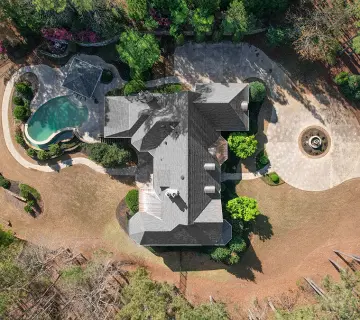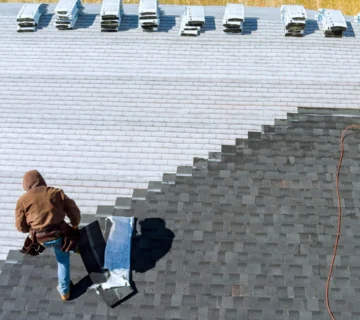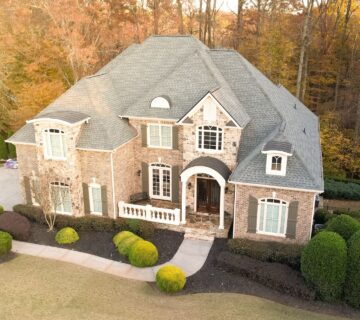


A homeowner in the Milton Park area called us last spring frustrated with how her house looked after a recent roof replacement. The roof itself was fine. The shingles were installed correctly, the color was one she’d specifically chosen, and the warranty was legitimate. The problem was that the finished result clashed with her existing siding and front door in a way she hadn’t anticipated when she picked the shingle color from a small sample. Her $18,000 roof had made her entire exterior look worse rather than better. The anatomy of curb appeal depends on how the three major exterior elements of a home work together, and most homeowners don’t think about the coordination until something feels wrong. Understanding the specific relationships between roof, siding, and entryway is what separates exteriors that look intentional from exteriors that look like three separate decisions made by three different people.
Why Roof, Siding, and Entryway Function as a System
The exterior of an Alpharetta home reads to the viewer as a single visual composition, not three separate elements. Even though homeowners typically make decisions about roof, siding, and entryway at different times for different reasons, the viewer sees them together.
The specific visual relationships that matter:
- The roof occupies 40 to 60 percent of the visible exterior from the street depending on architectural style and sight lines
- The siding or primary wall material forms the next largest visual element
- The entryway including door, surround, and immediate framing draws focused attention as the primary architectural detail
- Trim, shutters, and secondary elements connect the three major elements
- Landscape and hardscape frame everything else
When these elements coordinate successfully, the exterior reads as unified and intentional. When they don’t coordinate, the exterior reads as fragmented regardless of how expensive or well-executed any individual element happens to be. The Milton Park homeowner’s roof was properly installed on an exterior where the coordination had never been thought through.
For Alpharetta homes specifically, this coordination matters more than in some markets because of the property value environment. Homes that read as intentional carry stronger comparable value than homes that read as fragmented, and the coordination affects both buyer impression during sales and ongoing appraisal considerations.
How Color Relationships Actually Work Across the Three Elements
The most consequential coordination dimension is color. Specific color relationships produce different outcomes depending on the house style, the surrounding neighborhood context, and the homeowner’s goals.
The specific color relationship patterns that work:
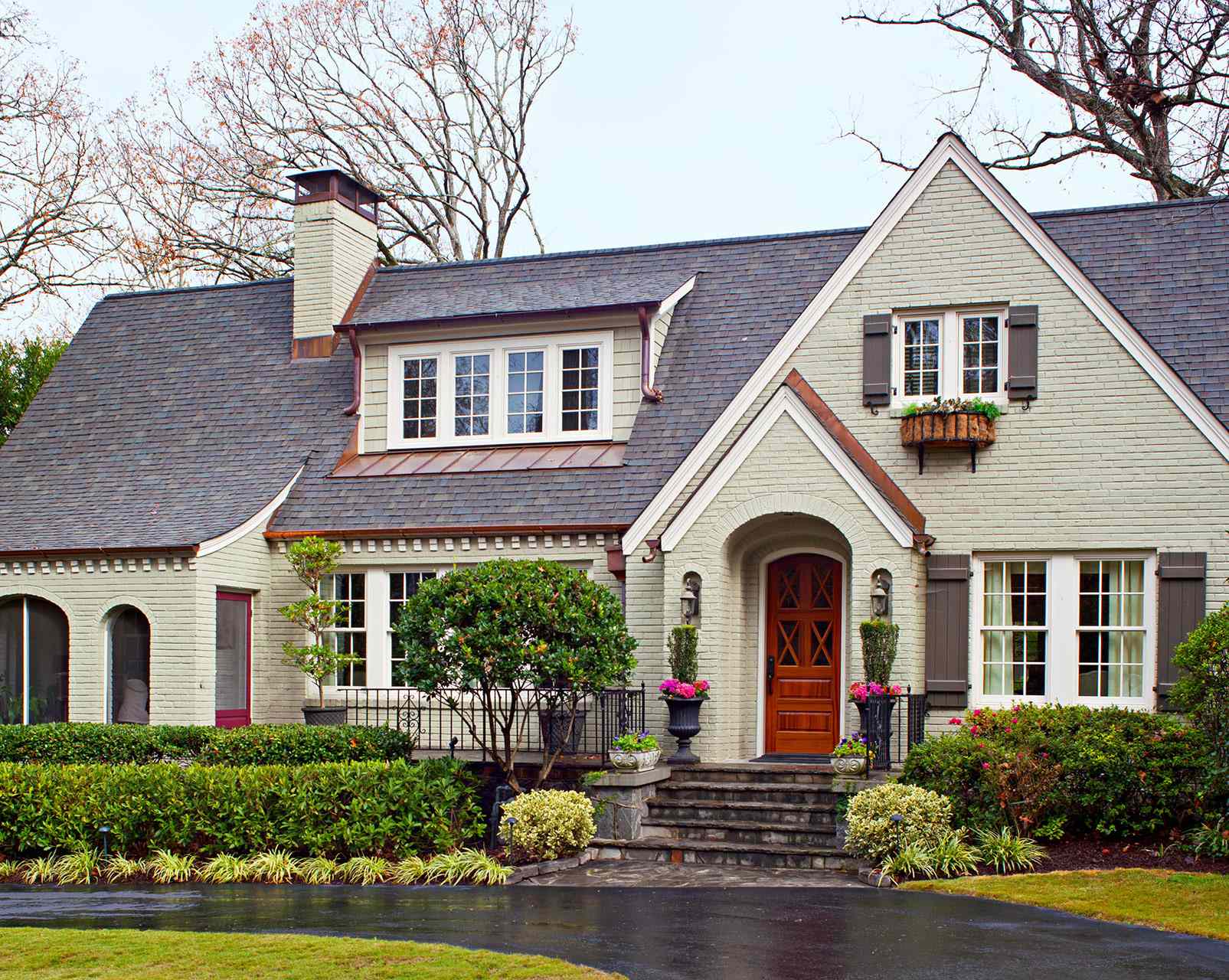
- Tonal coordination where roof, siding, and entryway share an underlying color temperature (all warm tones, or all cool tones) even when individual colors differ significantly
- Classic contrast where a darker roof pairs with lighter siding and a complementary accent color on the entryway
- Monochromatic sophistication where variations of a single color family appear across all three elements with intentional value differences
- Traditional pairings using combinations with established architectural history (such as black roof with white siding and dark red door for traditional colonials)
- Modern neutrality using sophisticated grays and neutrals with a single bold accent at the entryway
The specific patterns that typically fail:
- Competing warm and cool tones where the roof reads warm but the siding reads cool, producing visual tension that reads as mismatched
- Equal visual weight where no element dominates and the eye has nowhere to rest
- Trendy color combinations that date quickly as neighborhood preferences shift
- Pure matching where all three elements use similar colors producing a flat uninteresting result
- Contrast overload where every element competes for attention
For the Milton Park homeowner, her existing siding was a warm beige. Her new roof shingle was a cool charcoal gray. Her front door was a warm red. The warm-cool-warm sequence produced the visual tension she couldn’t name but could definitely see.
When Replacing One Element at a Time
Most Alpharetta homeowners don’t replace all three exterior elements simultaneously. Budget realities, roof timing, and life circumstances typically produce sequential replacement rather than coordinated projects. When one element is being updated, the coordination logic shifts.
The specific approach when replacing one element:
- Document the existing elements first with photographs in daylight showing accurate color and texture
- Collect physical samples when possible of siding, trim paint, and door hardware for accurate color matching
- Consider the oldest element’s remaining life since a roof being replaced might outlast the current siding by 5 to 15 years
- Plan for the next replacement cycle by choosing colors that will work with likely future updates
- Avoid locking in specific accent commitments that constrain future flexibility
- Choose timeless foundations for roof and siding since these are expensive to change
- Reserve bold expression for the entryway which is easier and cheaper to update
For homeowners planning a roof replacement at an Alpharetta property where siding is relatively new or recently painted, coordinating the new roof to the existing exterior produces better outcomes than trying to force the exterior to match a predetermined roof preference.
For homeowners where multiple elements are approaching replacement, planning the sequence intentionally can produce better coordination than treating each as isolated. Siding first, then roof, then entryway refresh often works well. Roof first then siding also works. Entryway alone can be refreshed at any point.
The Alpharetta-Specific Considerations That Matter
Beyond general design principles, specific Alpharetta considerations affect curb appeal coordination for homes in this market.
The specific local factors:
- HOA guidelines across most Alpharetta neighborhoods specifying acceptable colors, materials, and architectural standards
- Neighborhood architectural context which affects what reads as appropriate versus jarring
- Climate considerations including intense summer sun that fades some colors faster than others
- Property value positioning since Alpharetta’s strong market rewards homes that match or exceed neighborhood standards
- Resale timing considerations for homeowners who may sell within the roof’s service life
- Luxury expectations in neighborhoods like Milton Park, Avalon, and comparable areas where “builder grade” materials affect perceived property value
- Established tree canopy in older Alpharetta neighborhoods that affects both color perception and material longevity
For Alpharetta homes with meaningful HOA presence, verifying color and material approval before committing to any element produces better outcomes than discovering compliance issues after installation. Most HOAs maintain approved color palettes and material specifications that significantly constrain some decisions while leaving flexibility in others.
For homes in architectural contexts where neighborhood coherence matters, matching the general vocabulary of the surrounding homes typically produces better outcomes than attempting to stand out through dramatic contrast. The home that fits its context reads as polished. The home that fights its context reads as out of place regardless of the quality of individual materials.

How to Actually Make Coordinated Decisions
The practical process of coordinating roof, siding, and entryway decisions follows some specific steps that produce consistently better outcomes than ad-hoc selection.
The specific approach:
- Start with what’s permanent or expensive to change since brick and existing siding typically dictate the coordination constraints
- Identify the architectural style of the home and consider historically appropriate pairings
- Collect physical samples of all materials and view them together in multiple lighting conditions
- View samples at scale since small color samples look very different from full installations
- Drive the neighborhood looking at homes with similar architecture and taking notes on what works
- Consider the undertones not just the surface colors when evaluating potential coordinations
- Test with online visualization tools when available, understanding they have limitations
- Consult with roofing professionals experienced in design coordination rather than just material installation
- Review HOA requirements before committing to anything
- Consider long-term flexibility since the roof will likely outlast your other decisions
For the Milton Park homeowner, we eventually helped her resolve her situation by repainting her front door to a cooler accent color that bridged the warm siding and cool roof. The $300 door repaint accomplished what her $18,000 roof decision hadn’t considered. Better outcomes come from thinking about these relationships before making the expensive decisions, not after.
For comprehensive exterior projects involving residential roofing and related elements, working with contractors who think about the coordination dimension produces meaningfully better outcomes than contractors who focus only on technical installation competence.
The Coordination That Actually Produces Lasting Exterior Appeal
The anatomy of curb appeal depends on three major exterior elements working together as a visual system rather than existing as three separate decisions. Alpharetta homeowners who approach roof, siding, and entryway as coordinated choices consistently produce exteriors that look intentional, hold property value well, and avoid the kind of visual tension that bothers homeowners without their being able to name why. Understanding the color relationships, planning sequential replacements thoughtfully, considering the Alpharetta-specific factors that affect coordination, and following a deliberate decision process together produce better outcomes than approaching each element in isolation. The Milton Park homeowner’s experience with her coordinated-fix door repaint is instructive. The real design decisions happen before the roof installation, not after it.
Get Coordinated Exterior Guidance for Your Alpharetta Project
The team at Transcend Roofing Systems is ready to help. Contact us today to schedule a professional consultation at your Alpharetta, GA property with the roofing expertise and exterior coordination perspective that produces lasting curb appeal across all three major exterior elements.